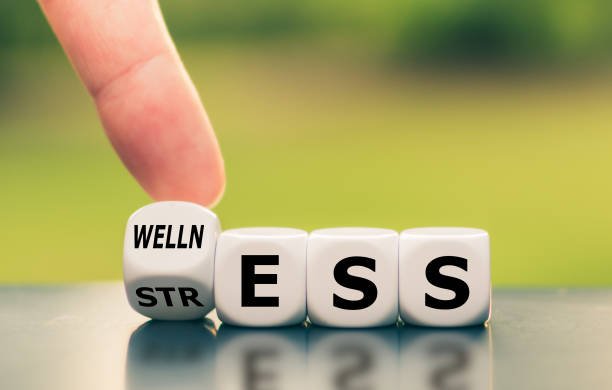
Anxiety affects many people and can impact daily life in significant ways. While professional treatment is important, making certain lifestyle changes can also play a critical role in managing symptoms effectively. Simple habits like regular exercise, balanced nutrition, and consistent sleep can significantly reduce anxiety and improve overall mental health.
These changes create a foundation for long-term emotional stability by supporting the body’s natural ability to handle stress. Incorporating relaxation techniques, reducing caffeine intake, and staying mindful throughout the day are practical steps that can bring noticeable relief. By addressing lifestyle factors, individuals gain powerful tools to complement other treatments and maintain a healthier mental state over time.
Understanding the Link Between Lifestyle and Anxiety
Lifestyle factors influence anxiety through physical health, daily habits, and environmental stressors. Certain behaviors and conditions can increase anxiety risk, while positive changes strengthen mental resilience and improve overall well-being.
How Lifestyle Choices Impact Anxiety
Diet, exercise, sleep, and stress management all directly affect anxiety levels. Poor nutrition can disrupt mood regulation by impacting brain chemistry. Lack of exercise reduces natural stress relief mechanisms, worsening symptoms.
Sleep quality is especially important; insufficient or irregular sleep weakens emotional control. Chronic stress from work or relationships triggers the body’s fight-or-flight response, intensifying anxiety. Positive lifestyle choices support natural relaxation responses and mental clarity, helping reduce the frequency and intensity of anxious feelings.
Common Risk Factors Affecting Anxiety Levels
Several lifestyle-related risk factors increase vulnerability to anxiety disorders. These include poor eating habits such as high sugar intake, sedentary behavior, and inconsistent sleep patterns. Substance use like caffeine, alcohol, or nicotine can worsen anxiety symptoms by altering brain chemistry.
Social isolation and ongoing stress from personal or occupational pressures also contribute. Recognizing these factors allows for targeted interventions. Addressing one or more risk factors can reduce anxiety triggers and improve coping mechanisms.
Benefits of Adopting Healthy Habits
Adopting healthier habits offers measurable benefits in managing anxiety. Regular exercise increases endorphins and serotonin, which enhance mood and reduce stress. Balanced nutrition supports brain function and energy stability.
Consistent sleep routines restore emotional resilience and cognitive function. Mindfulness and relaxation techniques, when combined with lifestyle changes, enhance stress management. These improvements not only lower anxiety symptoms but also promote long-term mental health and better quality of life.
| Healthy Habit | Anxiety Benefit |
|---|---|
| Regular Physical Activity | Reduces stress hormones |
| Balanced Diet | Stabilizes mood-related neurotransmitters |
| Quality Sleep | Improves emotional regulation |
| Stress Management | Enhances relaxation response |
Daily Routines to Reduce Anxiety
Creating structured daily habits fosters stability and control, key elements in managing anxiety. Focusing on quality sleep, balanced nutrition, and regular movement helps regulate mood and stress responses effectively.
Establishing a Consistent Sleep Schedule
Regular sleep patterns support brain functions that regulate emotions and reduce anxiety. Going to bed and waking up at the same time daily reinforces the body’s natural circadian rhythm.
Limiting screen exposure before bedtime and creating a calming pre-sleep routine, such as reading or meditating, can improve sleep quality. Poor sleep often exacerbates anxiety symptoms, so focusing on sleep hygiene is essential.
Using soft lighting and avoiding caffeine in the late afternoon also contributes to better rest. This consistency helps reduce racing thoughts and promotes emotional stability upon waking.
Building a Balanced Nutrition Plan
Nutrition directly impacts brain chemistry related to anxiety. Incorporating foods rich in omega-3 fatty acids, magnesium, and B vitamins supports neurotransmitter function and stress reduction.
Regular meals prevent blood sugar dips that can trigger anxious feelings. Avoiding excessive caffeine and sugar helps stabilize energy and mood throughout the day.
A diet emphasizing whole grains, lean proteins, fruits, and vegetables provides steady energy and essential nutrients. Hydration also plays a critical role in maintaining cognitive function and emotional health.
Incorporating Mindful Movement Practices
Exercise releases endorphins and serotonin, which naturally elevate mood and reduce tension. Activities like walking, yoga, or swimming also promote mindfulness by focusing attention on physical sensations.
Short, consistent sessions of moderate exercise are more effective than sporadic intense workouts. Movement routines tailored to individual preference increase adherence and benefits.
Incorporating breathing exercises or stretching can reduce muscle tightness linked to anxiety. This combination of physical activity and mindfulness supports overall emotional regulation.
Positive Social and Cognitive Shifts for Anxiety Relief
Addressing anxiety often requires intentional changes in how one interacts with others and manages internal stress. Developing supportive relationships, establishing clear personal limits, and using targeted stress management methods contribute significantly to reducing anxiety symptoms.
Enhancing Social Connections
Strong social connections provide emotional support and reduce feelings of isolation common in anxiety. Engaging with trusted friends or family members creates opportunities to share concerns and receive understanding.
Joining groups with shared interests or participating in community events can gradually build a sense of belonging and safety. Even brief, positive interactions help improve mood and buffer against anxiety triggers.
Routine socialization is essential, but quality matters more than quantity. Meaningful connections that encourage openness and acceptance promote resilience and lessen anxious thoughts.
Setting Healthy Boundaries
Setting clear boundaries helps manage anxiety by preventing emotional overwhelm and reducing stress from unrealistic demands. Individuals should define limits in personal and professional relationships to conserve energy and maintain mental balance.
Effective boundaries may include saying no to extra commitments, limiting exposure to stressful conversations, or carving out time for self-care. Communicating boundaries calmly and assertively improves respect and reduces misunderstandings.
Boundary setting also involves recognizing when to detach from negative influences. This practice empowers individuals to prioritize their mental health without guilt or fear of disappointing others.
Practicing Stress Management Techniques
Regular stress management techniques directly reduce anxiety by calming the nervous system and promoting cognitive clarity. Techniques like deep breathing, mindfulness meditation, or progressive muscle relaxation are evidence-based methods proven to lower anxiety levels.
Incorporating short, daily sessions of mindfulness enhances the ability to observe anxious thoughts without judgment. Likewise, brief physical exercises such as walking or stretching can interrupt worry cycles and improve mood.
Tracking stress triggers and responses through journaling or self-reflection enables more targeted interventions over time. Consistency in practice is key to experiencing tangible anxiety relief from these techniques.
Long-Term Maintenance and Prevention
Maintaining progress in anxiety management requires consistent effort and attentiveness to how lifestyle changes impact well-being. Adjusting strategies as needed and knowing when to seek professional help are essential for sustained mental health.
Tracking Progress and Adapting Strategies
Regularly monitoring anxiety levels and daily habits helps identify what works and what doesn’t. Tools like journals, apps, or mood trackers can provide clear data on triggers and improvements.
It is important to review lifestyle changes every few weeks or months. This includes evaluating sleep patterns, physical activity, diet, and stress management techniques.
When certain strategies lose effectiveness, adjustments may be necessary. For example, increasing physical exercise, trying new relaxation methods, or modifying daily routines can improve outcomes.
Key actions to track progress:
- Record anxiety symptoms and intensity daily or weekly
- Note changes in diet, sleep, and exercise habits
- Identify new or persistent triggers
- Make small, targeted adjustments based on data
This ongoing process ensures that lifestyle changes remain aligned with individual needs over time.
Seeking Professional Support When Needed
Lifestyle changes alone may not fully address anxiety symptoms for everyone. Recognizing when to seek professional guidance is crucial.
Mental health professionals can offer tailored interventions such as therapy or medication, alongside lifestyle adjustments. This comprehensive approach often leads to better management.
Indicators for professional support include:
- Persistent or worsening anxiety symptoms
- Difficulty maintaining daily responsibilities
- Physical health effects linked to anxiety
- Limited progress from self-managed changes
Early consultation with a healthcare provider ensures timely, appropriate treatment. Professionals can also recommend evidence-based lifestyle modifications to complement clinical care.